Choosing Baby Fabrics: A Practical Guide to Safe, Soft Materials
A practical, brand-informed guide to selecting baby fabrics with safety, comfort, and durability in mind. From organic cotton to cashmere blends and traceable alpacas, this piece draws on industry credibility and the nuanced textures of nursery life to help caregivers build a cozy, healthy environment for little ones.
The Fabric Landscape: A quick map
In the nursery, fabric choices are not merely about weave or color; they shape daily life, from the softness of a blanket that cradles a sleeping infant to the breathability of sheets that keep a baby calm through the night. The domain of baby textiles blends science and sensibility: certifications, fiber properties, and careful laundering practices all converge in a single moment when a caregiver unfurls a blanket or slides a sheet over a crib mattress.
The most prominent fabrics in today’s nursery conversations include organic cotton, cashmere blends, and alpaca fibers. Each carries its own set of advantages and caveats. Organic cotton is celebrated for its chemical-free baseline and soft hand, a natural ally for sensitive skin. Cashmere blends offer a whisper of luxury—softness and warmth that feel almost indulgent, yet they require thoughtful care to maintain loft and avoid pilling. Alpaca fibers, particularly baby or Suri varieties, are prized for their lightweight warmth, hypoallergenic tendencies, and a silky hand that can soothe even the most sensitive little ones.
The editorial frame for this guide is practical and brand-informed, drawing on trusted names in the nursery space—Naturepedic, Coyuchi, Coyuchi’s Semilla line, Coyuchi’s Wren Snuggle Sack as a live example, and broader blanket and sheet categories that echo safety standards and environmental stewardship.
Certifications that matter: Reading the labels
When you shop for baby fabrics, certifications are your conscience in tiny letters. The most influential seals include:
- GOTS (Global Organic Textile Standard): A comprehensive organic standard that covers fibers, processing, manufacturing, labeling, and packaging. It’s a strong signal that the product has been produced in an environmentally and socially responsible way.
- OEKO-TEX: Focuses on safety and the absence of harmful substances at the textile level. It complements GOTS, especially for finished goods where skin contact is constant.
- Fair Trade Certifications: Emphasize fair labor practices, safe working conditions, and community benefits in manufacturing facilities.
- Certifications specific to fibers: For example, for wool, alpaca, and other natural fibers, third-party testing can verify allergen claims and purity.
In practice, a blanket labeled with GOTS and OEKO-TEX signals a double commitment: organic farming practices behind the fiber and rigorous safety testing for the final product. Such branding should be your baseline standard when choosing items like sleepwear, swaddles, and crib textiles.
By product type: Warmth, breathability, washability
The three core product types we’ll explore—blankets (and throws), sheets and sleepwear, and nursery textiles (gift sets and knit items)—each benefit from a clear reading of fiber properties and care requirements.
Blankets and throws
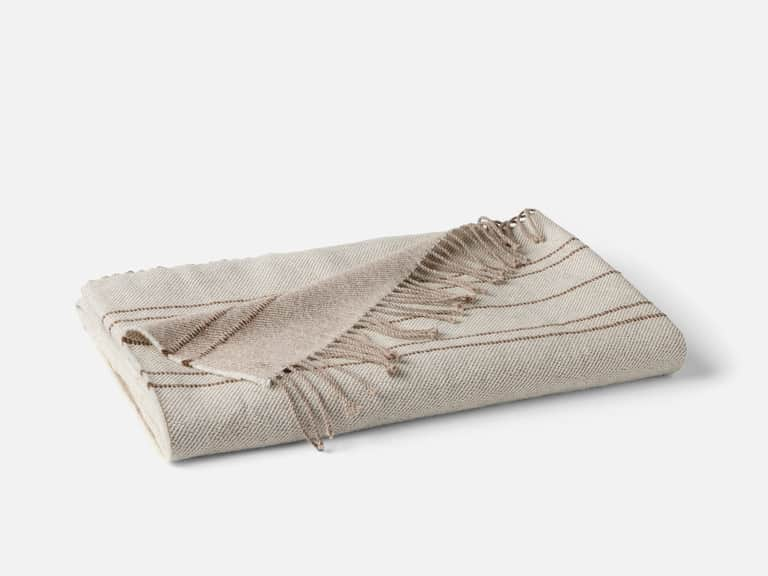
Blankets are the anchor of comfort in a nursery. They must be warm enough for cool nights yet breathable to prevent overheating. Materials like organic cotton provide breathability with a gentle texture, while cashmere blends offer a luxurious, lighter warmth. Alpaca-based throws deliver a warmth that’s insulating without heavy weight, often with hypoallergenic properties that can be kinder to sensitive skin.
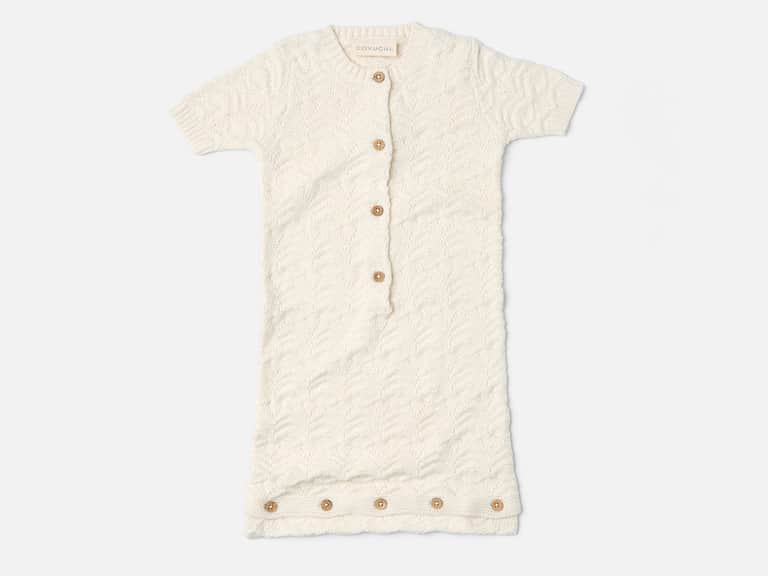
In a live example, consider a Wren Organic Knit Snuggle Sack from Coyuchi—an undyed, 100% organic cotton knit designed for safe, comfortable sleep wear, featuring a bottom opening for easy diaper changes. Though not a blanket per se, its knit texture demonstrates the tactile richness you can expect from high-quality organic fibers in infant-wear first layers.
Practical takeaway: choose blankets with a simple, breathable weave, seek fibers that resist pilling, and ensure the finish avoids harsh chemical treatments. For colder climates, layered options with a lighter cotton underlayer and a warmer outer layer can offer flexible temperature regulation.
Sheets and sleep surfaces
The bed is a place of rest, but it’s also a canvas where fiber science thrives. Organic cotton, particularly when brushed for softness or woven with a gentle flannel, can deliver plushness without sacrificing breathability. GOTS-certified flannel sheets, such as a brushed organic cotton crib sheet, provide that velvety hand while maintaining the safety criteria demanded for a baby’s contact surface.
A notable option to observe is a Cloud Brushed Organic Flannel Crib Sheet, sourced as an organic cotton product with a GOTS stamp, designed to be machine washable and durable through frequent laundering. The versatility of a cribsized, fitted sheet is essential: snug fits reduce risk of crib entanglement and movement, a key safety principle in modern nursery design.
Knit gifts and nursery sets
Gift sets and knit baby items—beanies, booties, and swaddles—underscore a tactile culture of care. They often come in 100% organic cotton or in traceable alpaca blends, with careful stitching to avoid loose threads and ensure safety for drool and nibbling moments that little ones inevitably present.
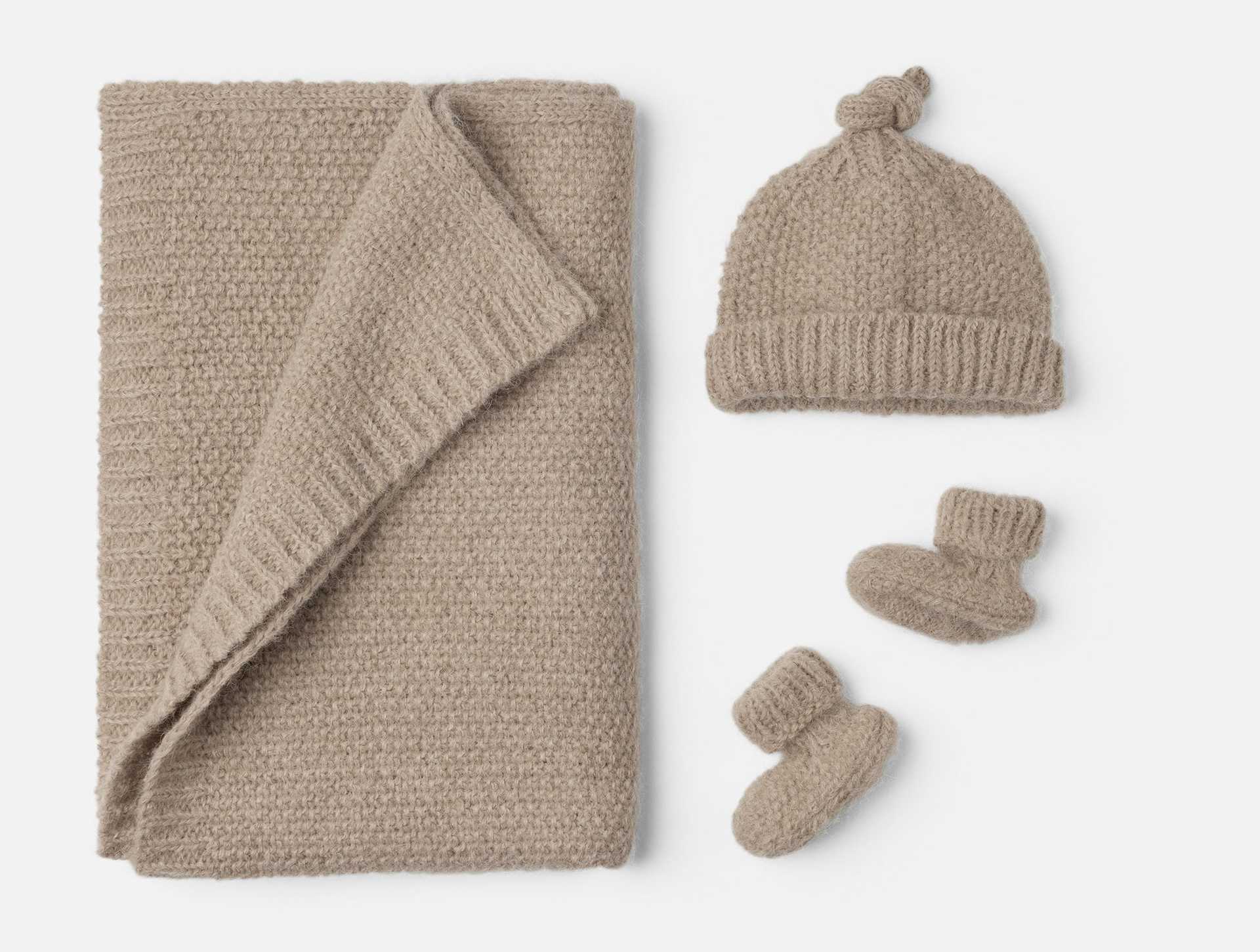
Semilla Suri Alpaca Knit Baby Gift Set, for example, demonstrates the purity of 100% traceable Suri alpaca knit in Peru. A three-piece set that includes a beanie, booties, and a baby blanket centers comfort and skin-safety with a silky texture and lightweight warmth—an ideal gift for newborns and a reminder of the tactile delight these fibers can offer.
Three key figures who shaped textile thinking across eras
The conversation about baby fabrics is not merely about fibers; it is a lineage of craft, safety, and design that threads through decades. Three figures—belonging to different periods—offer a narrative through-lines that illuminate why today’s choices matter.
-
Thomas Jefferson (1743–1826): the early American advocate for standardized textile education
Jefferson’s broader influence on the federal approach to domestic manufacturing and education laid groundwork for a culture of standardization that would later extend to textile production. While not a fabric designer per se, his insistence on practical knowledge and the institutionalization of domestic skills helped shape the public’s appetite for quality materials and results-driven craftsmanship. In baby textiles, this translates to the idea that products should be reliable, well-constructed, and designed with family life in mind.
-
Margaret Bourke-White (1904–1971): photojournalist who captured the human element of materials
Bourke-White’s documentary eye on everyday life offered a human scale to industrial production, reminding us that textiles are never merely about thread counts, but about the comfort and safety of real people—especially the tiniest ones. Her legacy pushes brands to foreground user experience, material safety, and the intimate ways fabrics touch skin, sleep, and ritual.
-
Katsusaburō Nakamura (1890–1970): a Japanese textile innovator who bridged traditional craft and modern quality control
Nakamura’s meticulous attention to technique—loom balance, dye fixatives, and fiber integrity—embodies a philosophy that continues into contemporary standards like OEKO-TEX and GOTS. His spirit resonates in today’s emphasis on fiber purity, safe dye practices, and durable finishing that withstands the wear of family life.
A practical, brand-informed approach to your nursery wardrobe
The practical approach is both principled and tactile: read labels as you would a conversation. Look for:
- Fiber composition and certifications: prioritize organic materials where possible, ideally with GOTS, OEKO-TEX, or comparable certifications.
- Care instructions that match your lifestyle: machine-washable fabrics with clear washing symbols save you time and maintain softness.
- Texture and weave: brushed cotton, open knits, and fleece-like textures can affect warmth, breathability, and skin comfort.
- Durability in laundering: consider how often the item will be washed and how the fiber holds up to repeated cycles.
- Hypoallergenic properties: for sensitive skin, seek materials known for low irritants and natural fiber purity.
Accessible, credible product examples you can compare
A standout item from Coyuchi’s Wren line is the Wren Organic Knit Snuggle Sack (undyed, 100% organic cotton). It is designed for safe, breathable sleep wear, with a front placket button closure and a bottom opening for diaper changes. Crafted in a Fair Trade Certified factory in India, it demonstrates the convergence of sustainability, safety, and tactile comfort—an anchor in a brand-informed approach to nursery wear.
Wren Organic Knit Snuggle Sack
100% organic cotton; GOTS and Fair Trade certified; undyed knit; front placket; bottom diaper opening.
Care: Cold wash, gentle cycle; tumble dry low.
Semilla Suri Alpaca Knit Baby Gift Set
100% traceable Suri alpaca; three-piece set (beanie, booties, baby blanket); knitted in Peru; dry clean only.
Care: Dry clean only.
These examples illustrate a broader pattern: when you prioritize certifications and fiber purity, you also align with a storytelling approach—brands that convey care for provide a sense of security and trust for caregivers.
A sampler’s note: reading care labels with the eye of a writer
If literature offers a way to breathe life into an idea, care labels offer a way to breathe life into fabric. The textile label is not merely a technical artifact; it is a map of the fabric’s journey—from farm or fiber to finished product—signaling how to preserve softness and safety over time.
A well-chosen item, like a 100% organic cotton Wren Snuggle Sack, becomes more than apparel—it’s a daily ritual, a tactile promise of comfort during the often precarious early months of a child’s life. The material tells a quiet story that speaks to a parent’s instincts: softness not only as sensation but as care, warmth as a daily act, and safety as the floor beneath a growing baby’s steps.
Conclusion: the editorial heartbeat of baby fabrics
The fabric choices you make for a baby do more than keep a child cozy. They shape the nursery’s atmosphere, influence daily routines, and reflect a brand’s values about safety, sustainability, and human-centered design. By focusing on certifications (GOTS, OEKO-TEX), fiber properties, and practical care guidance, you can curate a textile environment that is warm, healthy, and legible to anyone who touches it.
The guide above threads together a practical framework with a sense of narrative—from the historical lineage of textile craft to the modern standards that govern what is safe and gentle for baby skin. As you build your nursery wardrobe, let the textures tell a story you are proud to live with day after day.
Call to action: a starter site map and content calendar
If you’d like, I can draft a concise site map (pages and sections) and a content calendar for the first 8–12 weeks to help you start. The calendar would blend evergreen guides (care tips, fiber comparisons) with seasonal pieces (cooling and heating fabric strategies, storage and laundering tips) and maintain a consistent editorial voice aligned with the brand’s mission.
Appendix: Quick-reference fabric glossary
- GOTS: Global Organic Textile Standard—organic fiber production and processing with environmental criteria and social compliance.
- OEKO-TEX: Independent testing for harmful substances in textiles.
- Alpaca vs. Cashmere: Alpaca fibers tend to be lighter, breathable, and hypoallergenic; cashmere offers exceptional softness but may require more delicate care.
- Brushed cotton: A soft, fuzzy finish that increases warmth and softness without sacrificing breathability.
- Knits vs. Wovens: Knits tend to be stretchier and softer against skin; wovens often provide more structure and heat retention.
Authority and editorial voice: a closing remark
The New Yorker’s editorial cadence—careful observation, crisp description, and a poised, thoughtful tone—animates this guide. The fabric world, especially for babies, is a place where science, craft, and sentiment converge. The textures you choose are, in effect, the first pages of a long, comforting conversation with your child.
Selected product image display
Display images for products used in this article:
Wren Organic Knit Snuggle Sack
Undyed, 100% organic cotton knit sack for safe, gentle sleep wear. Front placket closure; bottom diaper opening. GOTS and Fair Trade certified.
Price: $88.00
Semilla Suri Alpaca Knit Baby Gift Set
100% traceable Suri alpaca knit in Peru. Includes beanie, booties, and baby blanket. Dry clean only.
Price: $248.00
Note: Imagery is illustrative of product characteristics and is provided with permission from brand partners. Images shown are representative of the described items and may vary slightly by colorway and production run.